

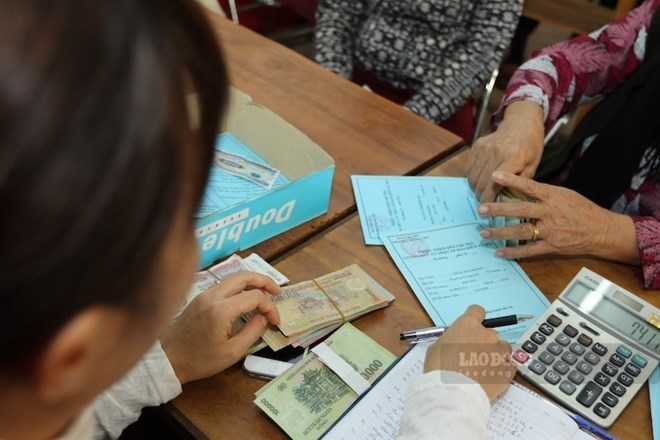
Do not let workers suffer losses because businesses owe social insurance
National Assembly deputies proposed to supplement a mechanism to handle social insurance debts at enterprises that are insolvent.
Ensuring rights when businesses cease operations
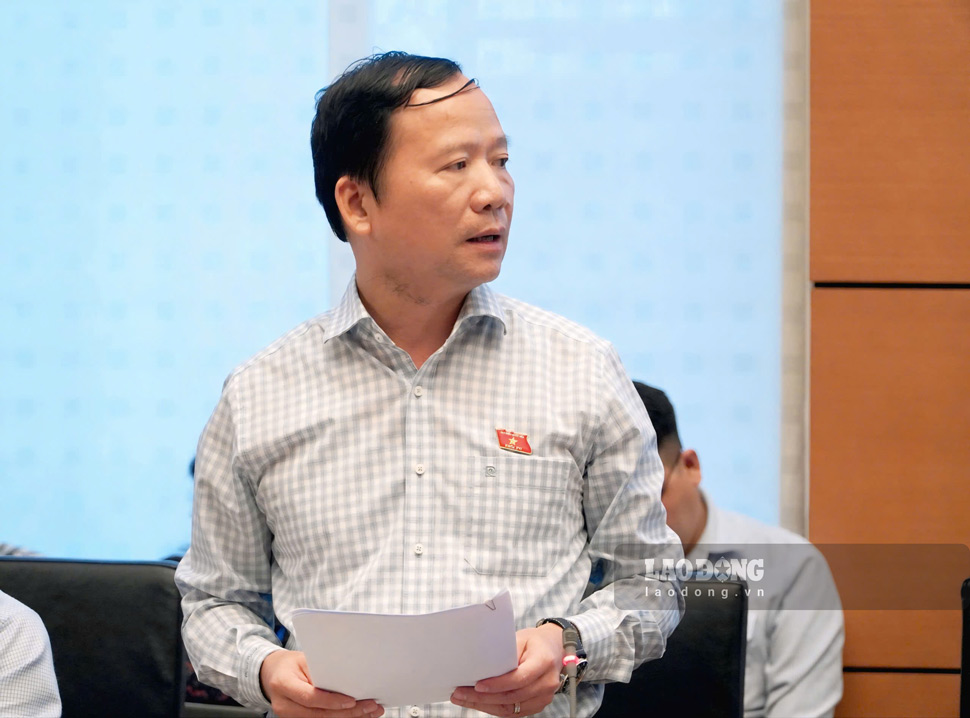
At the group discussion session on the afternoon of October 21, delegate Nguyen Dang An - Delegation of National Assembly Deputies of Lang Son province said that it is necessary to have solutions to handle cases of businesses owing social insurance for a long time, no longer able to operate but have not completed procedures for dissolution and bankruptcy.
According to the delegate, in reality, there are businesses that face prolonged difficulties or still have problems in settling construction and project costs, so they cannot fully fulfill their social insurance contribution obligations. As a result, employees have worked and participated in social insurance but have not been fully confirmed for their contribution period, affecting the settlement of benefits when they quit their jobs, retire and enjoy other benefits.
Delegate Nguyen Dang An said that it is necessary to clearly distinguish the act of intentionally evading and appropriating social insurance money from cases where businesses are truly insolvent. For acts of intentionally evading contributions, strict handling is needed. For businesses that have ceased operations and are no longer insolvent, there needs to be an appropriate legal mechanism to protect employees.
He proposed that the drafting agency study and supplement the mechanism for handling social insurance debts in these cases, clarifying the order of payment priority, the responsibility of employers and the plan to confirm the actual contribution time to resolve corresponding regimes.
According to the delegate, employees should not bear the full consequences of violations or financial difficulties of employers.
Proposal to allow conditional voluntary social insurance contributions
Another content mentioned by delegate Nguyen Dang An is the obstacles when participating in voluntary social insurance.
From local practice, delegates proposed to study a mechanism to allow voluntary social insurance participants to make conditional compensation for the period of time they have registered to participate but have not paid on time.
According to him, there are cases where people have interrupted their participation due to economic difficulties or forgetting the payment period. When financial conditions permit and they want to make up for it, they do not have a mechanism to implement it.
The delegate proposed to study allowing compensation payments within a certain period of time, with clear conditions and payment calculation methods. Regulations need to prevent the abuse to make voluntary retroactive payments, while ensuring the safety of the social insurance fund.
In addition, delegate Nguyen Dang An also proposed to clarify the responsibility for compensation when resolving social insurance benefits is delayed; ensure that employees are notified of the reason for the delay and have the right to request compensation when damages arise.
Regarding the regime of health recovery and recovery after illness and maternity at units without grassroots trade union organizations, delegates proposed to clearly stipulate the basis for determining leave time, the responsibility to consult employees' opinions and the mechanism to protect rights when disagreements arise with employers.
Read the original here