

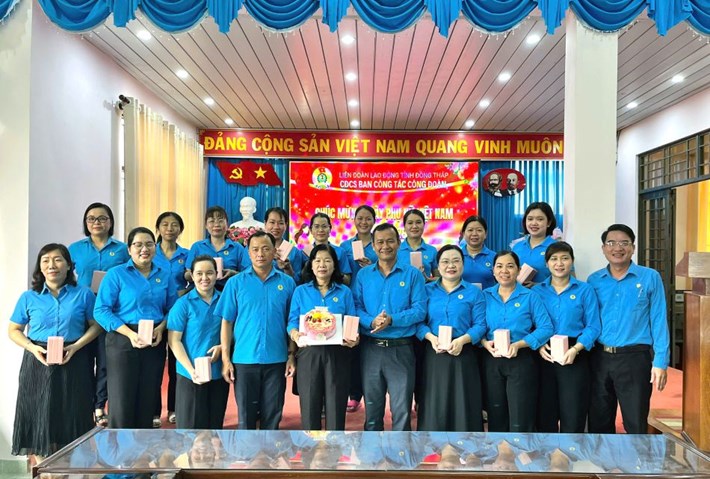
Dong Thap Trade Union innovates operations, better cares for female workers
Dong Thap - The seminar to improve the quality of female labor activities is expected to create a spreading effect, promoting the Trade Union organization to innovate and take better care of female workers.
Opening up innovation from the grassroots level
On the occasion of Vietnamese Women's Day October 20th, the Dong Thap Provincial Labor Federation (LĐLĐ) organized a seminar "Improving the quality of women's work activities in the new situation". This is not only an opportunity to evaluate results but also creates a forum for Trade Union officials to share experiences and propose solutions to innovate women's work activities in a practical and effective direction.
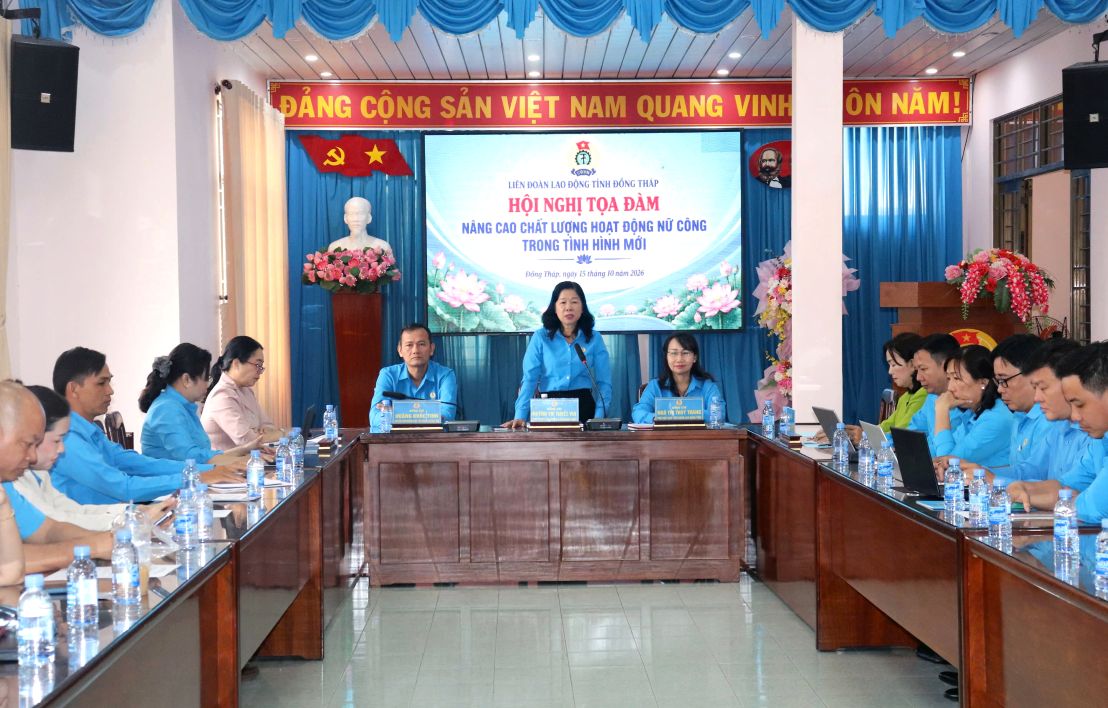
At the seminar, delegates focused on discussing solutions to enhance the role of the Mass Women's Union; proactively grasp the needs of female union members, workers, and laborers, especially pregnant workers and those raising young children; strengthen participation in dialogue, negotiation and propose more beneficial terms for female workers in collective labor agreements.
In fact, women's work activities in some places are still heavily formalistic, and grasping thoughts and aspirations is not regular... From this reality, the seminar aims to bring the Mass Women's Committee to better promote its role of advising, proposing policies and supervising the implementation of regimes for female workers, instead of just stopping at organizing movements.
Ms. Huynh Thi Tuyet Vui, Chairwoman of the Dong Thap Provincial Labor Federation, requested trade union levels to continue to consolidate and improve the quality of activities of the Mass Women's Committee; innovate the content in a direction that is close to reality, avoid formality, and focus on negotiating terms that are beneficial for employment, maternity and welfare for female workers.
Taking the needs of female union members as the center
Along with innovating operating methods, Dong Thap Trade Union maintains many practical care programs. In 2025, trade union levels visited more than 199,000 turns of union members and workers with a total budget of over 102.5 billion VND, including 123,000 turns of women. In the first 9 months of 2026, more than 81,000 turns of female union members were visited and supported.
From 2025 to now, the Provincial Labor Federation has supported the construction of 58 new houses for female union members facing housing difficulties, with a total budget of 3.48 billion VND. Rotating capital contribution models and mutual assistance funds also supported 771 turns of union members and workers with an amount of more than 16.6 billion VND.
Notably, the "Pregnant Women and Nursing Children Club" model is being replicated at 10 grassroots trade unions in enterprises, attracting 837 members. The model creates conditions for female union members who are pregnant and raising young children to share experiences, access information and receive appropriate support. In addition, 23 breast milk pumping and storage rooms at enterprises with a large number of female workers contribute to supporting workers to breastfeed.
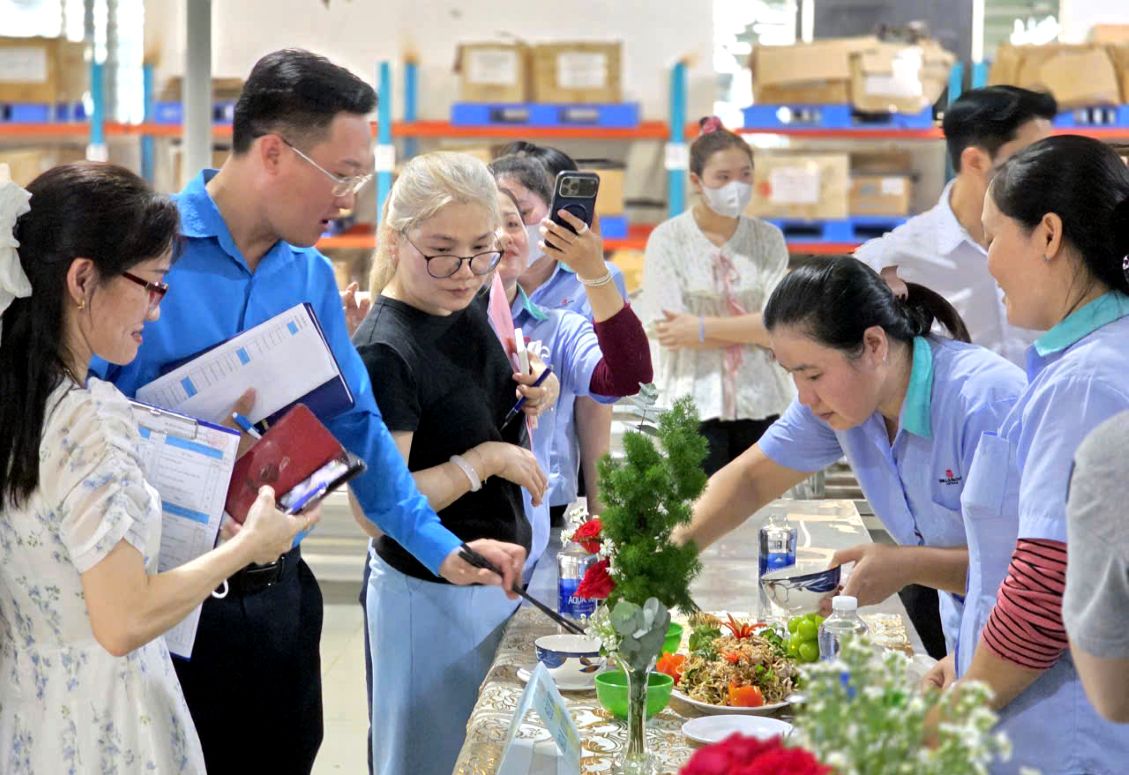
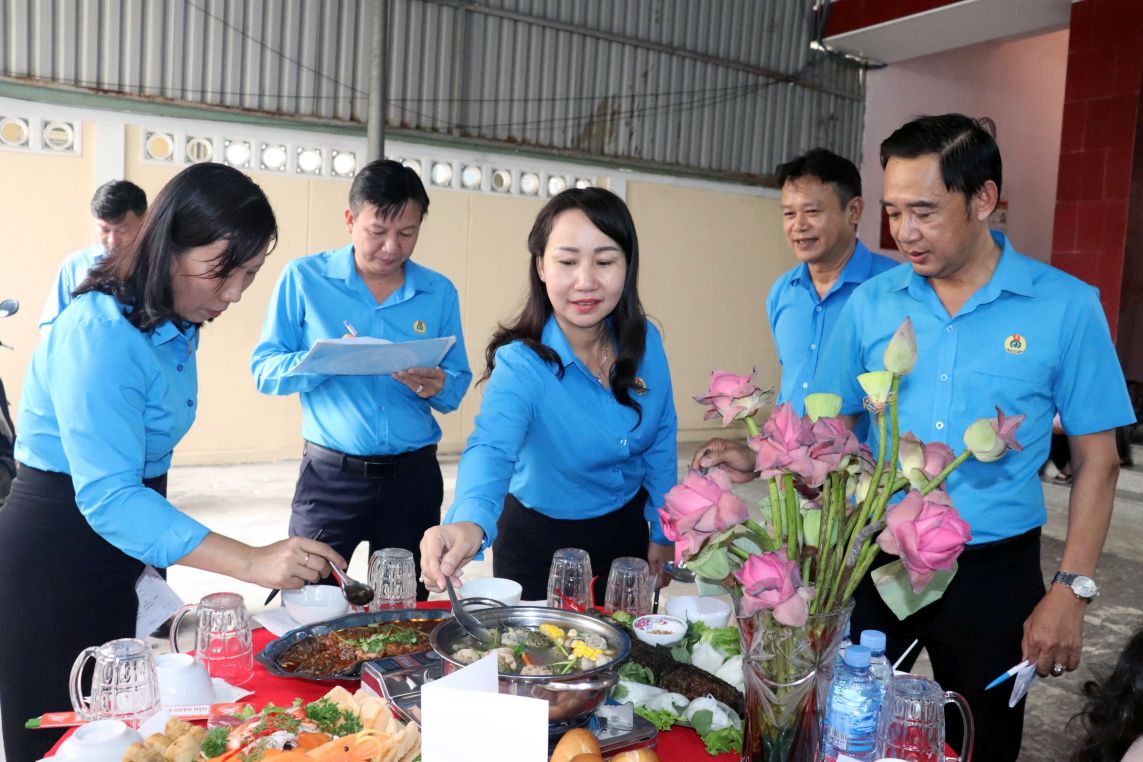
In the series of activities to celebrate Vietnamese Women's Day October 20th, the "Rice Meal Reunion" culinary contest was also organized, creating a space for exchange and strengthening the connection between full-time and part-time Trade Union officials.
Through seminars and care activities, Dong Thap Trade Union aims to innovate from awareness to practice, promoting the role of female workers in representing, protecting the rights and taking care of the lives of female union members. Through this, Trade Union activities are gradually going deeper, better meeting the actual needs of female workers.
Dong Thap province currently has 796 grassroots trade unions (CĐCS), grassroots trade unions with 217,381 union members, of which 142,115 are female union members. To date, 372/428 CĐCS have established Mass Women's Affairs Committees. This is an important force to help the Trade Union organization grasp the thoughts, aspirations and advise on appropriate care solutions for each group of female workers.
See the original here