
Gia Lai Provincial People's Council: Projects must harmonize the interests of businesses and people
Gia Lai - The Provincial People's Council requests the investor of the project to protect the environment, manage land, and well implement social security policies in the area.
The project must ensure the environment and land planning
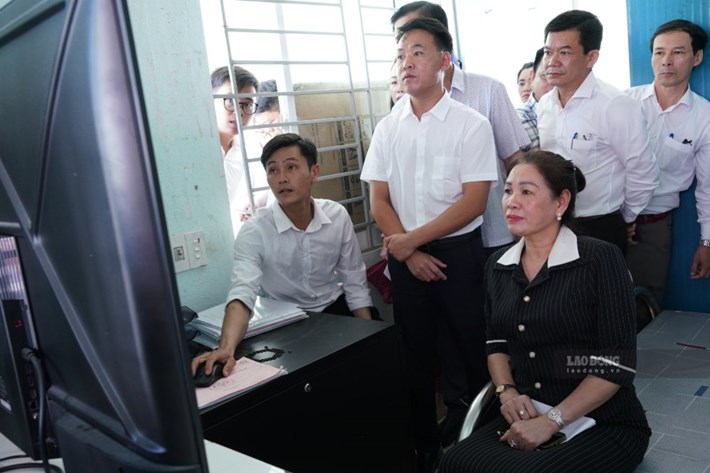
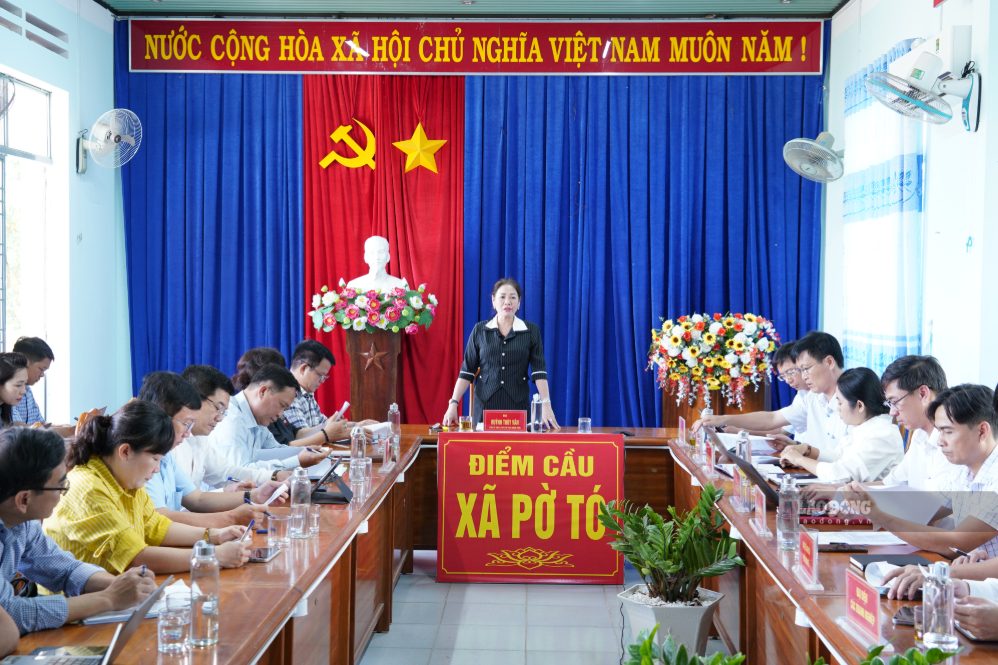
The delegation supervising non-budget projects of the Standing Committee of the Gia Lai Provincial People's Council has just had a supervision and working session with the authorities of Po To and Dak Po communes.
These are two localities with a number of non-state budget projects, mainly focusing on farming models, high-tech applications and industrial cluster infrastructure construction projects.
Vice Chairman of the Provincial People's Council Huynh Thuy Van requested localities to strengthen state management, regularly inspect and urge the progress of project implementation; promptly remove difficulties and obstacles in investment procedures, compensation, site clearance, and create conditions for projects to be implemented on schedule.
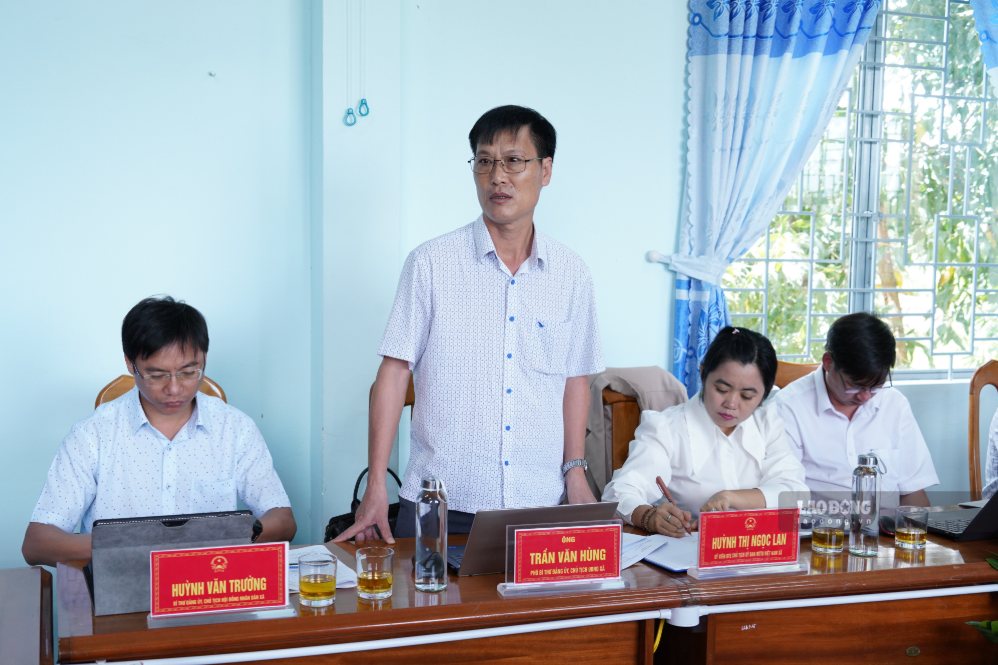
At the same time, commune authorities need to promote the supervisory role of the community, especially regarding the compliance with regulations on land, planning, environmental protection and the responsibility of investors in the project implementation process.
Vice Chairman of the Provincial People's Council Huynh Thuy Van also requested businesses that are project investors to fulfill investment commitments and strictly comply with legal regulations.
In which, it is necessary to pay attention to implementing social responsibility, making practical contributions to social security, transport infrastructure, contributing to the development of the locality; ensuring that non-budget investment projects are implemented effectively, in accordance with regulations, and harmonize the interests between the State, businesses and people.
Po To commune is an area with a large number of ethnic minorities living, and people's lives are still difficult. According to the report of Po To Commune People's Committee, there are 18 non-budget investment projects in the commune, mainly high-tech pig farms and agro-forestry production, with a total registered capital of nearly 9,700 billion VND, land use area of more than 2,050 hectares.
Expecting to create more jobs for workers
Of which, 6 projects have been put into operation, 1 project is under construction and 11 projects have just been granted or adjusted investment policies.
In Dak Po commune, in the period 2021-2025, there are 5 non-budget investment projects approved for investment policy, with a total registered capital of nearly 920 billion VND, an area of nearly 148 hectares.
To date, 1 project has been put into operation, 1 project is under construction, 1 project is behind schedule and 2 projects have been revoked or terminated. The commune proposed to the province to remove obstacles regarding compensation and site clearance at the Dak Po District Industrial Cluster No. 1 project...
The working delegation recorded feedback and recommendations from businesses and localities. Through this, the supervision work of the Standing Committee of Gia Lai Provincial People's Council aims to soon detect inadequacies in mechanisms and policies to propose competent authorities to amend, supplement, and improve them according to regulations, meeting the practical needs of life.
Along with public investment projects, a series of non-budget investment projects in the province are important resources, contributing to the growth and socio-economic development of Gia Lai province.
The projects are expected to create more jobs for local workers, contributing to changing the face, improving people's lives and developing rural transport infrastructure.
Previously, Gia Lai advocated bringing the planning of key livestock areas into difficult areas, especially with infertile and nutrient-deficient cultivated land. The provincial government requested businesses to commit to strictly implementing regulations on environmental protection, waste treatment and disease prevention and control in accordance with procedures.
See the original here