
Seasonal workers are easily disadvantaged when encountering labor accidents
Temporary workers and new recruits are prone to occupational accidents (ATs) and have difficulty ensuring their rights if they lack contracts and safety instructions.
Lack of contract, workers easily suffer losses when encountering accidents
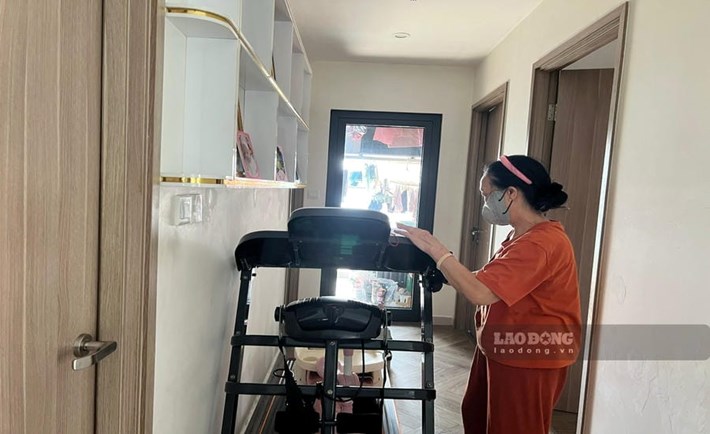
Ms. Nguyen Thi Binh (60 years old, Hanoi) used to do many freelance jobs such as construction worker, domestic helper. More than 10 years ago, she slipped and fell while carrying materials at the construction site, leading to a fractured femur. Due to no labor contract, she was not subsidized or compensated.
For freelancers like Ms. Binh, labor accidents not only affect health but can also lead to economic burdens when income is interrupted, while related rights are not fully guaranteed.
According to Mr. Do Viet Duc - Labor Relations Department, VGCL, seasonal workers, short-term contract workers and those who have not been fully contracted are groups that suffer many disadvantages when labor accidents occur.
Mr. Do Viet Duc emphasized that working for a short time or not having a full contract does not mean that employees naturally lose the right to be protected in the event of an accident.
Therefore, it is necessary to promote propaganda so that both employees and employers understand their responsibilities for occupational safety and health. Businesses cannot use the reason of short working hours to ignore safety guidance, risk control and compliance with regulations.
On the employee's side, Mr. Duc recommended that it is necessary to clearly understand the employer, the nature of the job, the method of calculating wages, the person responsible for management and safety conditions before receiving the job. If possible, the agreement should be kept through text messages or documents as a basis when necessary.
When an accident occurs, employees need to prioritize emergency care, and at the same time notify managers, keep medical records and related evidence. Trade union levels also need to strengthen access to labor groups that are difficult to gather at teams, projects and small establishments; guide them to identify working relationships, keep evidence and find the right support agencies when their rights are affected.
Newcomers need to be guided on safety before starting a job
Not only facing difficulties in benefits after accidents, seasonal workers, hired workers and new recruits also need to be focused on risk prevention from the beginning.
Mr. Vu Anh Duc - Standing Deputy Secretary of the Party Committee of the Vietnam General Confederation of Labor, Director of the Institute of Occupational Safety and Health Science, said that newcomers or those who are not familiar with the job often have difficulty recognizing dangers and implementing safety procedures correctly. They may not be proficient in operations, do not clearly understand the characteristics of machinery and equipment, or do not know how to handle unexpected situations.
According to Mr. Vu Anh Duc, in terms of prevention requirements, these are still subjects that need to be concerned when arranging work, organizing training and safety supervision.
Businesses need to ensure that employees are guided on specific risks at the job position before starting work. When changing jobs, machinery, equipment or technology, it is necessary to consider additional training requirements. For newcomers, monitoring and guidance in the early stages is also very important; it should not only be based on whether they have participated in training courses or have certificates" - Mr. Duc said.
In particular, according to the Director of the Institute of Occupational Safety and Health Sciences, occupational accident prevention cannot only be based on the awareness of workers. If the equipment is not safe, the working process is not suitable, or workers are underway pressure while not fully guided, the risk of accidents still exists.
Therefore, in addition to training, employers need to organize work reasonably, ensure safe working conditions and supervise implementation at the workplace. Proactively identifying risks, providing proper guidance and closely monitoring employees in the early stages are important requirements to limit accidents, protect the health and lives of employees.
See the original here