

Going to villages to mobilize ethnic minorities to learn a trade to escape poverty
La Lay commune officials and youth union members go to each stilt house, mobilizing people to participate in vocational training, creating livelihoods, and increasing income to escape poverty sustainably.
Going to each stilt house to mobilize vocational training
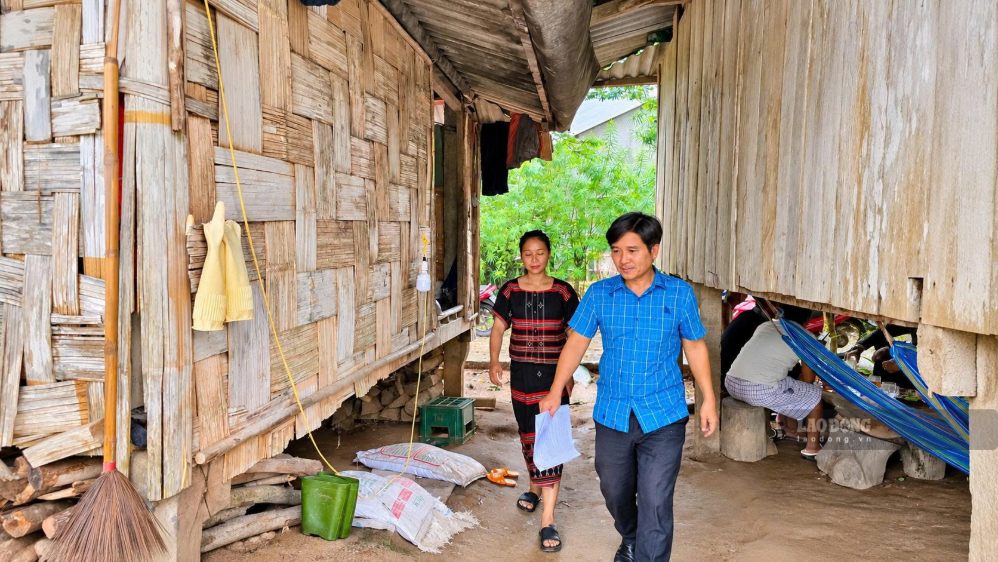
Carrying dossiers and documents introducing vocational training classes, Mr. Le Hong Phuc - specialist of the Culture Department of La Lay commune and Ms. Ho Thi Lat - Secretary of the Youth Union of A Ngo village - went to each household to propagate and mobilize people to learn a trade.
In traditional brocade costumes, Ms. Lat and Mr. Phuc walk through small paths between stilt houses in A Ngo village, La Lay commune, Quang Tri province. Propaganda sessions take place right at people's homes, with familiar stories about livelihoods and jobs.
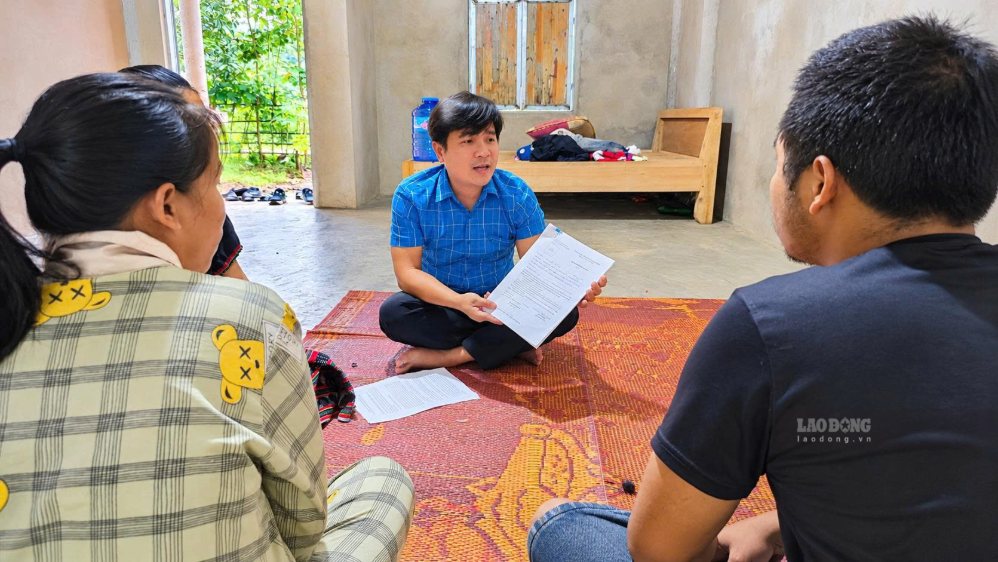
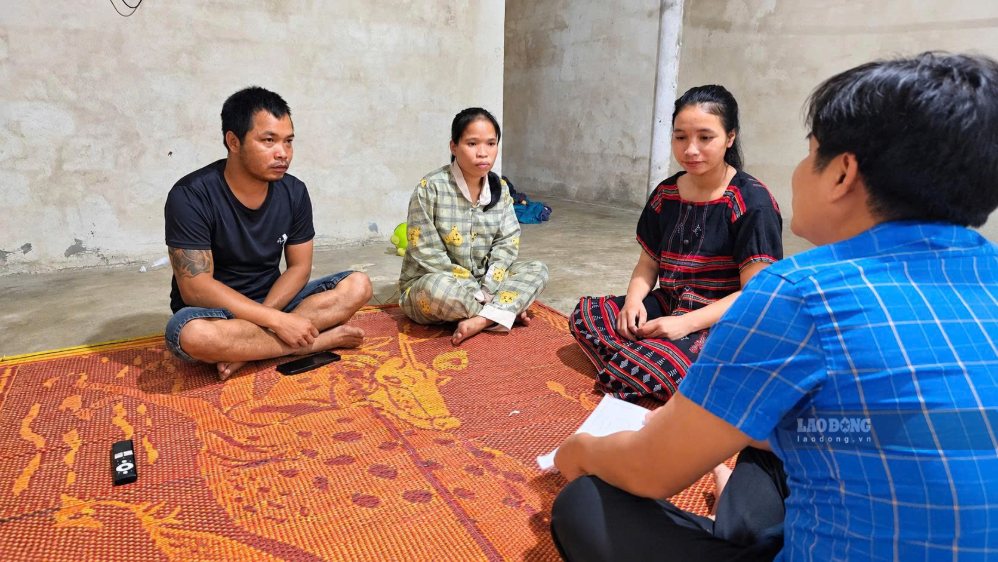
At Mr. Ho Van Hin's house, Mr. Phuc and Ms. Lat sat on a mat spread in the middle of the floor, talking to the couple about vocational training. The documents were opened, each content about the training program, support policies and job search opportunities was explained specifically.
Mr. Hin said that his family mainly works in the fields, grows rice and cassava, and in his spare time he works as a construction worker to earn extra income. His job is unstable, so he wants to register for vocational training to gain more skills and find a more stable job.
Leaving Mr. Hin's house, Mr. Phuc and Ms. Lat continued to go to Ms. Ho Thi Hien's house (born in 1993), also in A Ngo village. In a wooden stilt house, three people sat huddled together on the bamboo floor. Ms. Lat opened the file, guiding each content for Ms. Hien to find out.
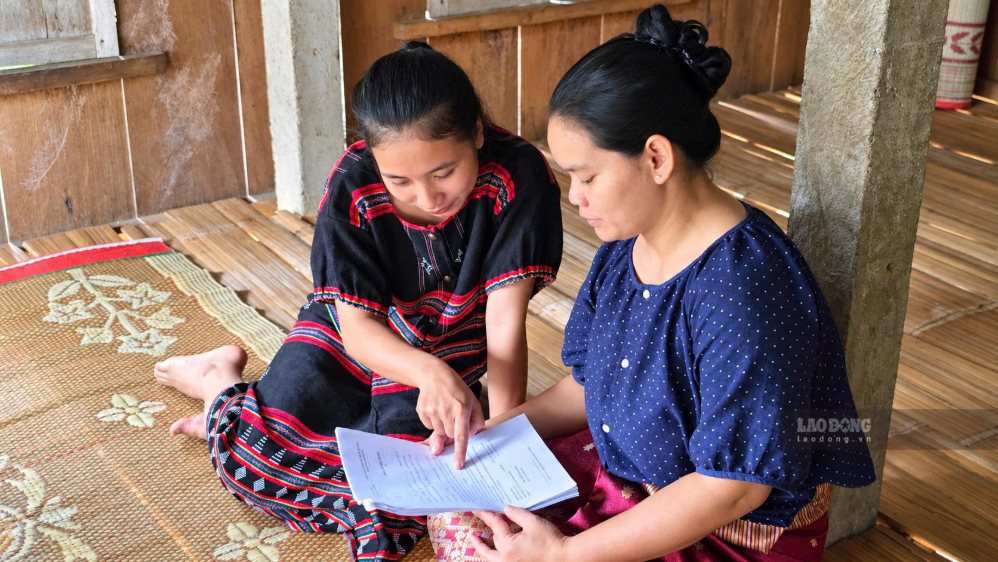
Ms. Hien shared that her family raises chickens, but every cold rainy season, chickens often get sick and die, causing economic damage. Introduced to a class on farming techniques, disease prevention and treatment for chickens and ducks, Ms. Hien agreed and wished to register to participate to gain more farming knowledge.
According to Ms. Ho Thi Lat, if people want to respond to vocational training, officials must directly meet and persistently explain the practical benefits.
I guide how to write applications, explain the benefits, so many people register for vocational training" - Ms. Lat shared.
Efforts to teach vocational skills to help people escape poverty
According to Mr. Le Hong Phuc, it is determined that propaganda must be close to the people, close to reality, taking the needs of workers as the basis for organizing vocational training classes. "We coordinate with village heads, the Fatherland Front and mass organizations to go to each house to mobilize and clearly explain the benefits of vocational training. When people understand and voluntarily participate, the quality of training will be improved" - Mr. Phuc said.
In 2026, La Lay commune will implement Sub-project 1 "Developing vocational education in poor and difficult areas" under Project 4, the National Target Program for Sustainable Poverty Reduction. According to the plan, from September 15 to November 30, 26, the commune is expected to organize phase 1 with 5 vocational training classes at the elementary level and under 3 months, with a scale of 20 students/class, totaling 140 people.
The program is implemented in 5 villages including A Ngo, A Bung, Ty Ne, La Lay and A Rong; prioritizing labor belonging to poor, near-poor households, households that have just escaped poverty, especially ethnic minorities.
Expected training professions include food processing techniques; farming techniques, disease prevention and treatment for chickens and ducks, associated with job needs and livelihood development conditions in the locality.
According to Mr. Phuc, in recent years, La Lay commune has organized about 5-10 vocational training classes each year. The locality continues to survey needs, coordinate with training institutions to select suitable teachers, aiming to improve the quality of vocational training.
From meetings on the floor, the consensus of people like Mr. Hin and Ms. Hien shows the initial effectiveness of moving closer to the people, contributing to creating livelihoods, increasing income and sustainable poverty reduction.
See the original here