

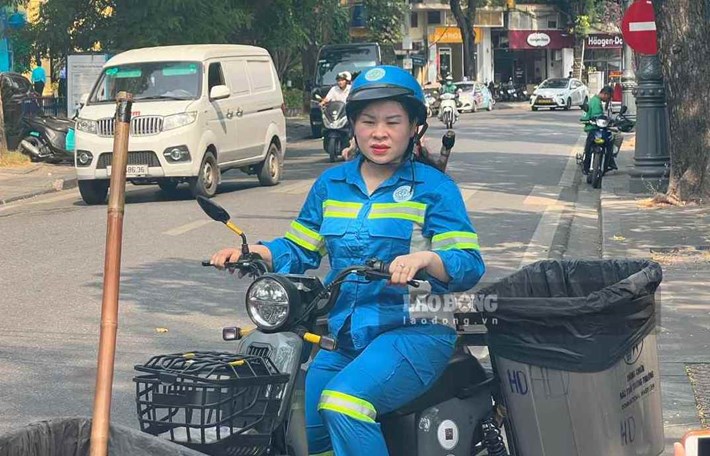
The pain from accidents haunting environmental sanitation workers
These tragic traffic accidents make female environmental sanitation workers always worried every time they work on the streets.
Worries behind the work of preserving the streets
At the talk show "One hour with city beauties", within the framework of the communication program "Happy social security for female environmental workers" 2026 taking place on October 22, Ms. Ninh Thi Loan, a garbage collector at Urenco Hoan Kiem Branch (Hanoi), emotionally shared about the dangers that she and her colleagues face in the working process.
Ms. Loan said that she herself has witnessed many painful traffic accidents happening to environmental sanitation workers. Those images have become a nightmare, causing her and her colleagues to worry and feel insecure every time they work on the streets, especially at night.
What makes Ms. Loan most regretful is the losses that the accident left for her colleague's family. Many workers have young children and elderly parents who need care. When someone unfortunately has an accident, the pain does not stop at the worker himself but also weighs heavily on the loved ones left behind.
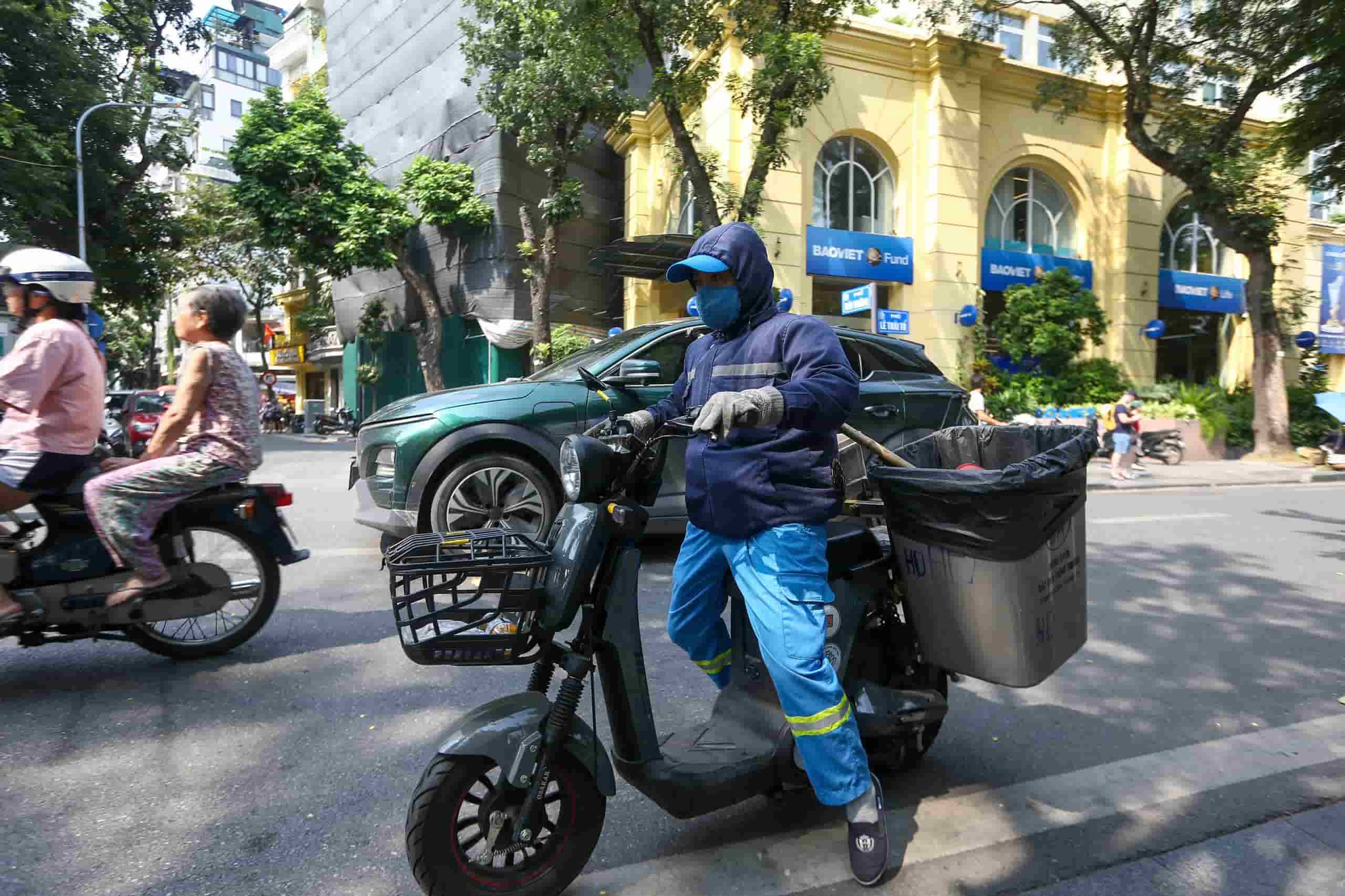
Despite facing many dangers, Ms. Loan and her colleagues still encourage each other to strive to complete their work, strictly comply with labor safety regulations, and wear full protective clothing.
She hopes that traffic participants will raise awareness, maintain a sense of responsibility when driving, and absolutely do not drink alcohol and then drive vehicles to avoid tragic accidents.
Mechanization, improving working conditions
Sharing about efforts to improve working conditions, Ms. Nguyen Thuy Hang, Deputy Director of URENCO - Hoan Kiem Branch, said that the unit has been invested in and put into use some new vehicles to improve work efficiency.
In which, electric bicycles are used to serve daytime hygiene maintenance work, helping workers proactively patrol and promptly collect garbage generated on the streets, especially garbage discarded by tourists and road users. In addition, the unit is piloting the use of three-wheeled electric vehicles to collect garbage, gradually reducing garbage collection and transshipment points on the streets.
According to Ms. Hoang Bich Hanh, Vice President of Urenco Trade Union, the unit currently has 5,781 officials and employees, of which female workers account for more than 60%. Through surveys, the proportion of female workers working in night shifts accounts for 77.8%.
This is a group of workers facing many risk factors due to the nature of working outdoors, being exposed to waste and frequently moving on the streets.
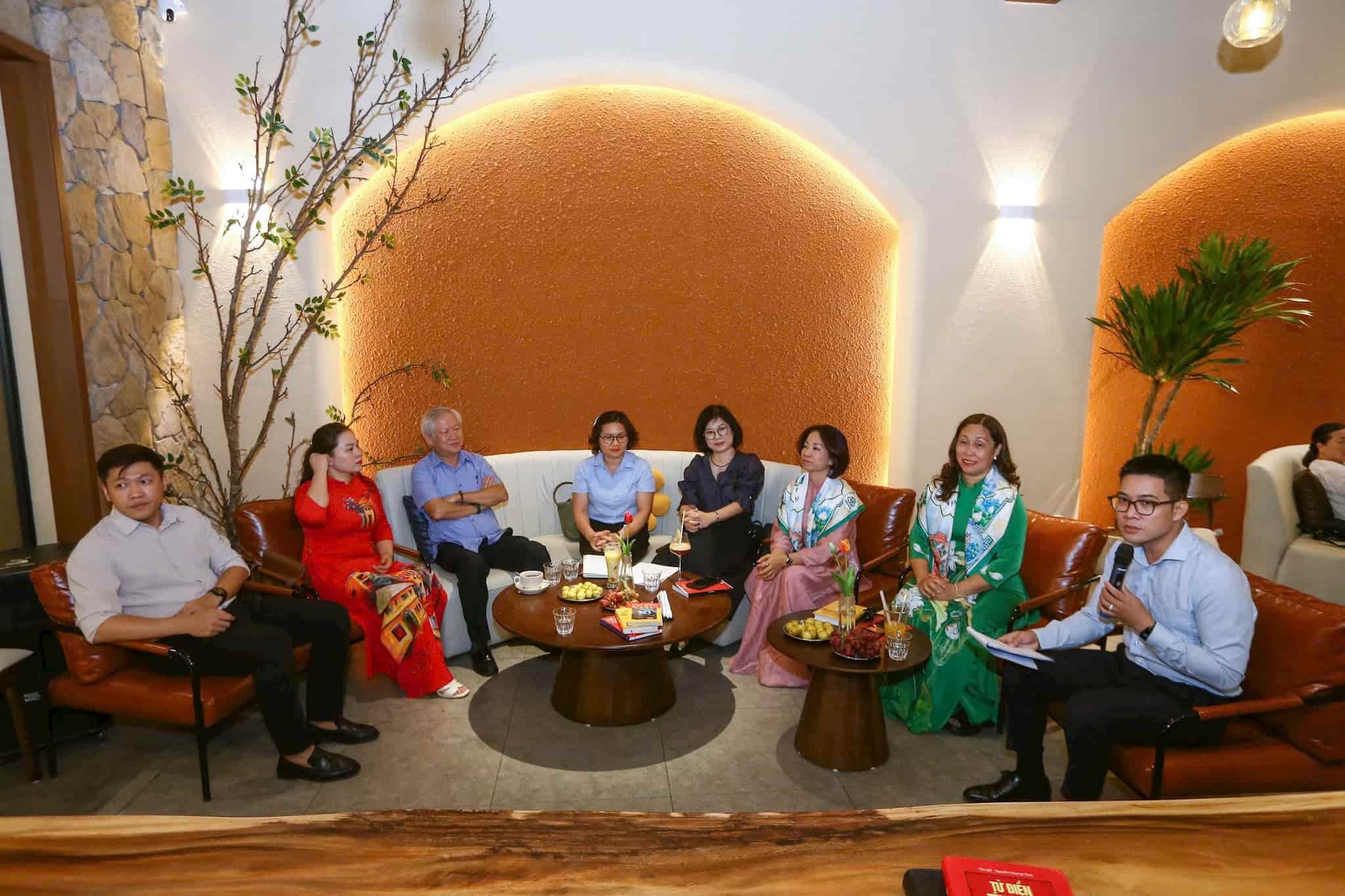
To take care of workers' health, businesses coordinate with trade union organizations to implement many practical activities.
Accordingly, workers are given annual periodic health checks; for people working in heavy and hazardous jobs, health checks are performed every 6 months. The company also organizes cancer screening and reproductive function checks for female workers to detect early health problems...
Protecting health from reducing risks right at work
Assessing healthcare solutions at enterprises, Assoc. Prof. Dr. Nguyen Ngoc Bich, Head of the Faculty of Environmental and Occupational Health, University of Public Health, said that in controlling risks to occupational health, technical solutions, mechanization and replacement of heavy manual labor are of great significance.
Labor protection equipment is still necessary, but cannot replace eliminating or minimizing risk factors right from working conditions.
For female environmental sanitation workers, the risks that need to be concerned about include work accidents, musculoskeletal problems, respiratory diseases... Therefore, in addition to physical health, the mental health of workers also needs to be emphasized.
Assoc. Prof. Dr. Nguyen Ngoc Bich proposed researching and designing means and tools for labor that are more suitable for women's physical characteristics. Differences in height, physical strength and pushing and pulling ability between labor groups need to be taken into account when choosing equipment, thereby reducing physical burden and the risk of musculoskeletal problems...
See the original here