

Got a job right in my hometown thanks to tilapia
Can Tho - Many workers have jobs right in their homeland thanks to the rise of tilapia towards the export market.
Stable jobs
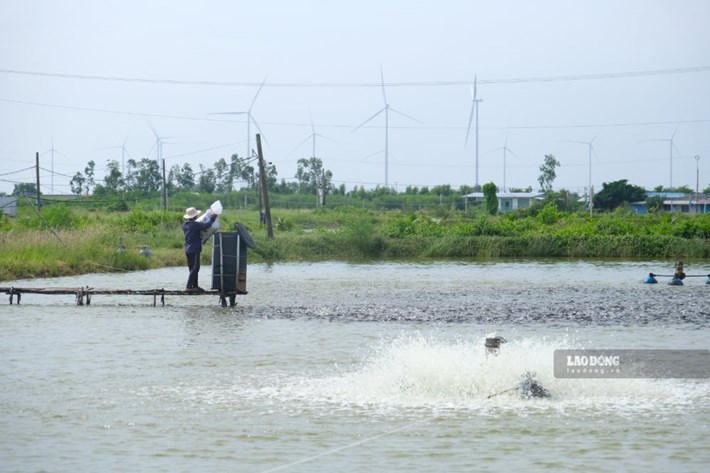
Early sunshine stretches across the countryside of Giong Chat hamlet (Lieu Tu commune, Can Tho city), Mr. Tran Van Chau (born in 1973) goes to check the oxygen system in tilapia ponds. Looking at the stable job as it is now, few people would expect that in the past, his family faced difficulties. At that time, income completely depended on hard working days.
The rise of tilapia, from an ordinary aquatic species, not only opens up great room for local agriculture but also directly creates jobs and a decent income for rural workers.
I am very satisfied with this job, every day I check ponds, feed fish, turn on oxygen... with an income of 8 million VND/month. Thanks to the nearness of the house, it is very convenient to travel. Looking at the healthy fish, I cannot hide my pride for my hometown farmers" - he expressed.
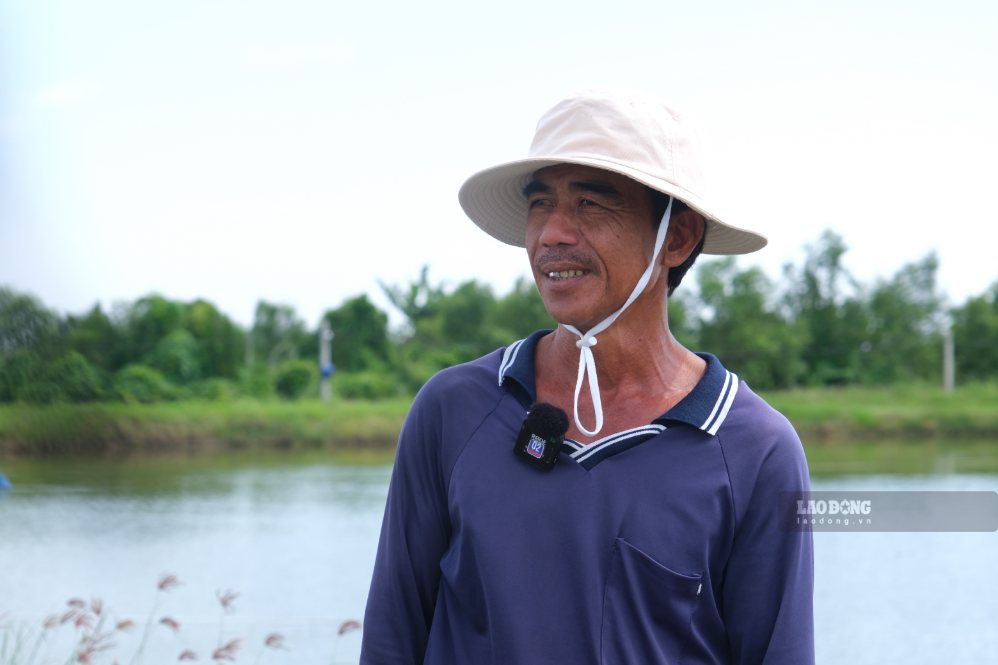
Similarly, Mr. Tran Cong Vinh (born in 2003, Lieu Tu commune), graduated with a degree in Aquatic Pathology (Can Tho University) chose to return to stick with local tilapia farms. Bringing knowledge from the lecture hall, he continued to research and optimize the farming process.
After studying, I don't have to go far, I want to apply it right in my hometown to develop" - Mr. Vinh confided.
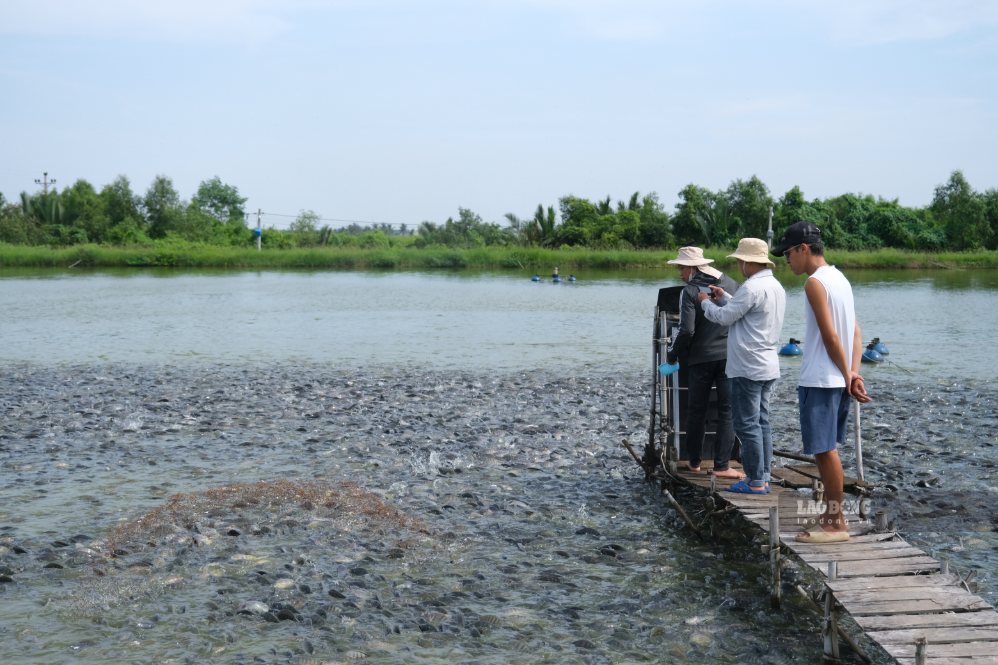
The fish farm where Mr. Chau and Mr. Vinh work is managed by Mr. Truong Thanh Hoang - one of the clean production models highly appreciated by the Department of Agriculture and Environment of Can Tho City.
New export industries
According to Mr. Hoang, if previously tilapia farming was mainly small-scale, easily falling into the situation of "bumper crop, price drop", now the production situation is much better thanks to businesses proactively covering output consumption. The new process helps reduce production costs to 27,000 VND/kg.
Currently, Mr. Hoang manages 10 large and small ponds, reaching from 30 - 35 tons/pond when sold. The life cycle of tilapia farming lasts about 4.5 months, the standard weight of the fish is from 500 - 600 grams/fish.
The Department of Agriculture and Environment of Can Tho City said that in the period 2021-2025, the area of tilapia farming in brackish water areas in the area is maintained stably. In the first 9 months of 2026 alone, the whole city has released 2,310 hectares of tilapia and 80 cages for raising tilapia.
The subjects are raised in forms such as integrated farming in low-density pond and garden canal models, cage farming on river routes in areas (Thot Not, Cai Rang, Hung Phu...), rotational farming with brackish water subjects such as shrimp (old Soc Trang area).
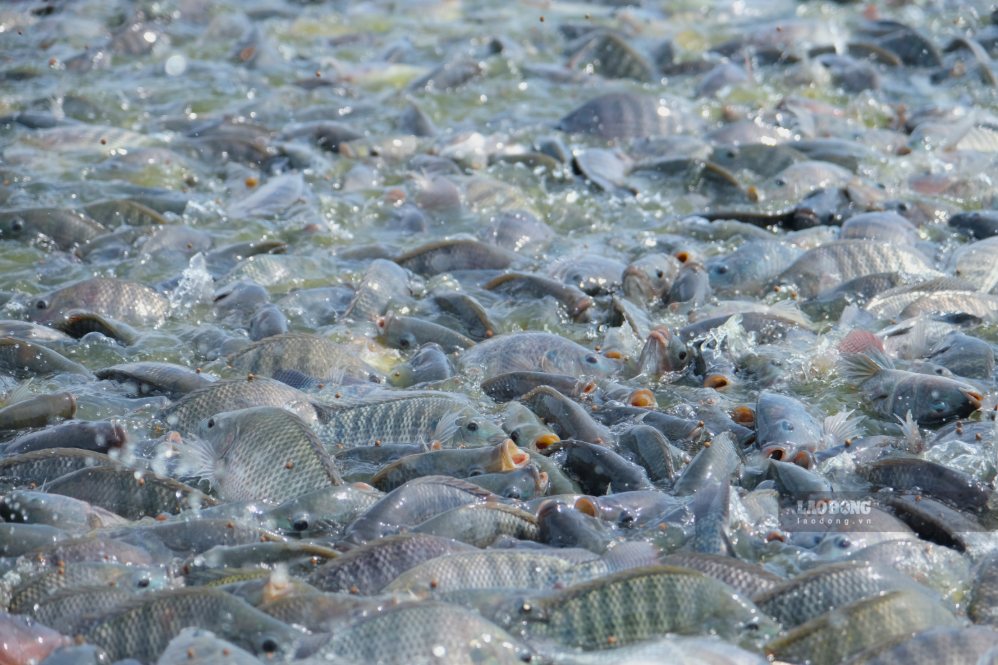
Total farmed tilapia output reached 2,800 tons, average yield for intensive farming form 35 tons/ha, cage farming form reached 7-8 tons/ raft.
In the context of continued increasing demand for tilapia in the world, Can Tho City is taking advantage of the advantages of the farming area, processing capacity and international cooperation space to turn the item into a new export industry of the locality in particular and the Mekong Delta region in general.
The combination of natural advantages, science and technology and export processing linkage chains is expected to contribute to creating a solid launching pad; thereby not only promoting socio-economic growth but also bringing practical meaning in creating livelihoods and stable jobs for farmers and workers.
See the original here