

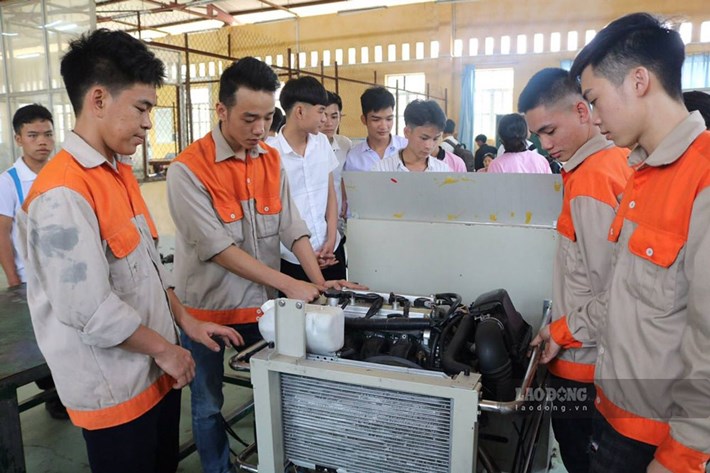
From classrooms to production lines in the highlands of Lao Cai
Lao Cai - With the deep participation of businesses, many young people who are ethnic minorities have more practical skills before entering the labor market.
Learn a trade to enter the labor market
In Tram Tau commune, Lao Cai province, Mr. Lo Van Hung used to be familiar with seasonal jobs. Therefore, his income is also precarious, while the opportunity to find a stable job is not many.
Before, I didn't have a profession, so I mainly did seasonal jobs with unstable incomes. After learning the profession, I learned how to use machinery and practice professional skills to work at the business" - Mr. Hung shared.
For a young man in the highlands, those seemingly very specific skills can open up another choice for livelihood.
Instead of just looking for seasonal jobs locally, workers can turn to businesses, factories or industries that are in need of recruitment.
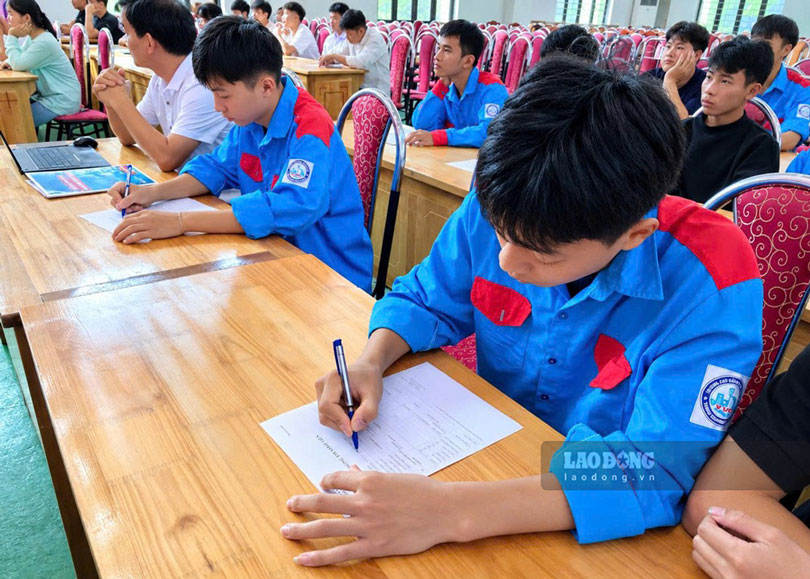
According to the Department of Home Affairs, by the end of September 2026, Lao Cai has 10 vocational education institutions, including 3 colleges, 3 intermediate schools and 4 private vocational education centers.
In addition, 17 VOCATIONAL EDUCATION - CONTINUING EDUCATION CENTERs participate in elementary level training, under 3 months and joint training at college and intermediate levels.
In the first 9 months of 2026, the whole province enrolled and trained 24,656 new people. Of which, college level 2,954 people, intermediate level 5,324 people, elementary level and under 3 months 16,368 people.
When businesses enter the classroom
At the end of September, Yen Bai Vocational College coordinated with LG Electronics Vietnam Hai Phong Co., Ltd. to organize the opening ceremony of Industrial Electricity College Class 4, and at the same time signed a cooperation agreement to expand training according to the practical needs of businesses.
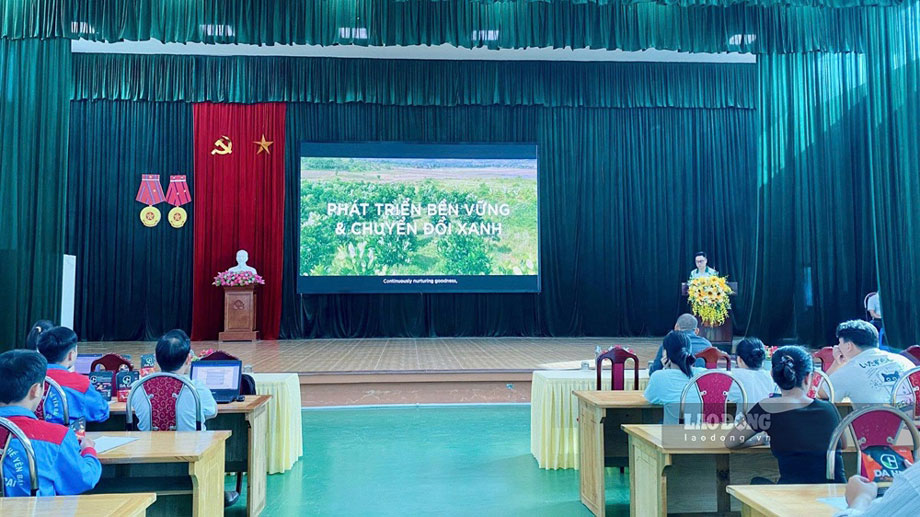
According to Principal Le Anh Tuan, businesses are identified as important partners in the training process.
The school aims to build flexible programs, update technology requirements, and increase practical skills and practical professional competence for learners.
Through records, many vocational education institutions in the area have also established cooperative relationships with more than 200 businesses inside and outside the province.
Cooperation is not only limited to receiving interns or recruiting students after graduation, but is expanded to building standard output curricula, organizing practice and technology transfer.
In many facilities, the practice time is increased to about 60-70%. Learners have the opportunity to get acquainted with machinery, equipment and production processes right from when they are still in school.
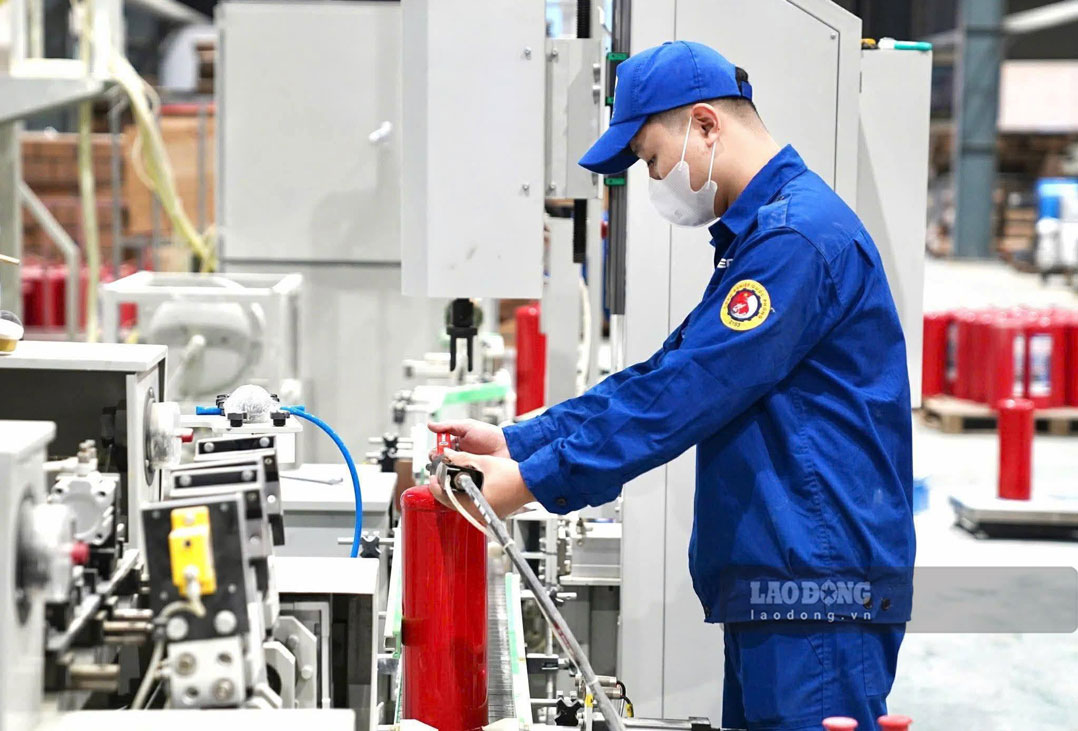
Some training majors are directly linked to recruitment needs such as mechanics, electricity - electronics, automotive technology, mineral processing, tourism and hotel services.
Engineers, experts, and skilled workers of the enterprise also become guides, directly instructing students on how to operate machinery, handle situations and comply with safety procedures in production.
Human resources trained to meet needs
According to Mr. Nguyen Minh Thuan - Deputy Director of Lao Cai Department of Education and Training, the linkage between state management agencies, vocational education institutions and businesses is a suitable direction to improve the quality of human resources.
When learners have access to the business environment right during the training process, the curriculum has conditions to be closer to practical requirements.
Businesses also have more opportunities to access human resources trained according to their needs.
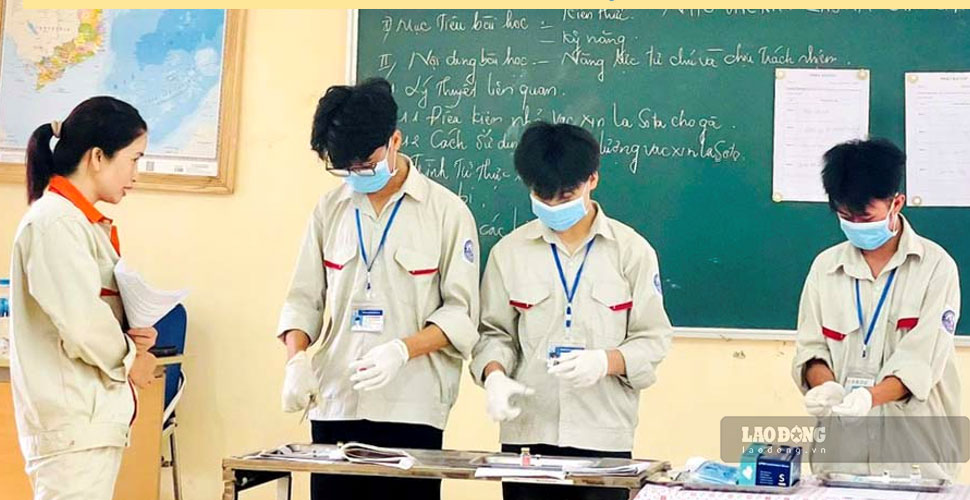
In the last 3 months of 2026, Lao Cai aims to complete the target of recruiting new vocational training for over 29,500 people.
In which, college 4,000 people, intermediate and vocational secondary school 6,500 people, elementary school and under 3 months 19,000 people; and at the same time support vocational training for 7,000 rural workers.
Along with traditional occupations, vocational training is oriented to expand into fields associated with digital transformation, green transformation and production modernization such as automation, logistics, applied information technology, renewable energy, and smart tourism.
See the original here


