

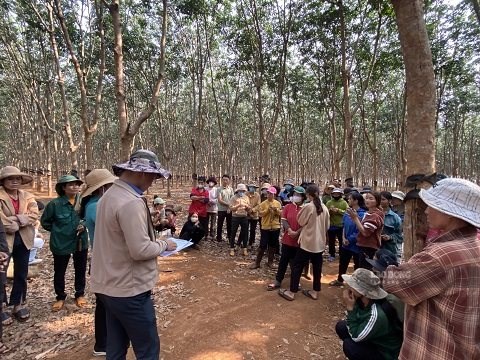
After vocational training, Gia Lai workers need to connect to have jobs
Gia Lai - After vocational training, Party committees and authorities need to focus on career guidance and effectively connect recruitment needs of businesses with workers.
Improving qualifications and knowledge about agricultural professions
In recent years, in Duc Co commune and surrounding areas, hundreds of rural workers and ethnic minorities have been trained in vocational skills according to the State's policies and guidelines, especially implemented according to the National Target Program on Sustainable Poverty Reduction.
Vocational training and retraining over the years have affirmed a consistent policy, valuing skills and continuously fostering qualifications for workers, so that ethnic minority workers are not outdated and face difficulties in accessing the job market and job opportunities.
Mr. Pham Van Cuong - Secretary of the Party Committee of Duc Co commune, Gia Lai - said: "Currently, there are very few businesses and production facilities in the area that have recruitment needs. Therefore, the demand for recruiting trainees after vocational training is still low, most trainees mainly create jobs on the spot and participate in labor for some small, seasonal businesses in the area.
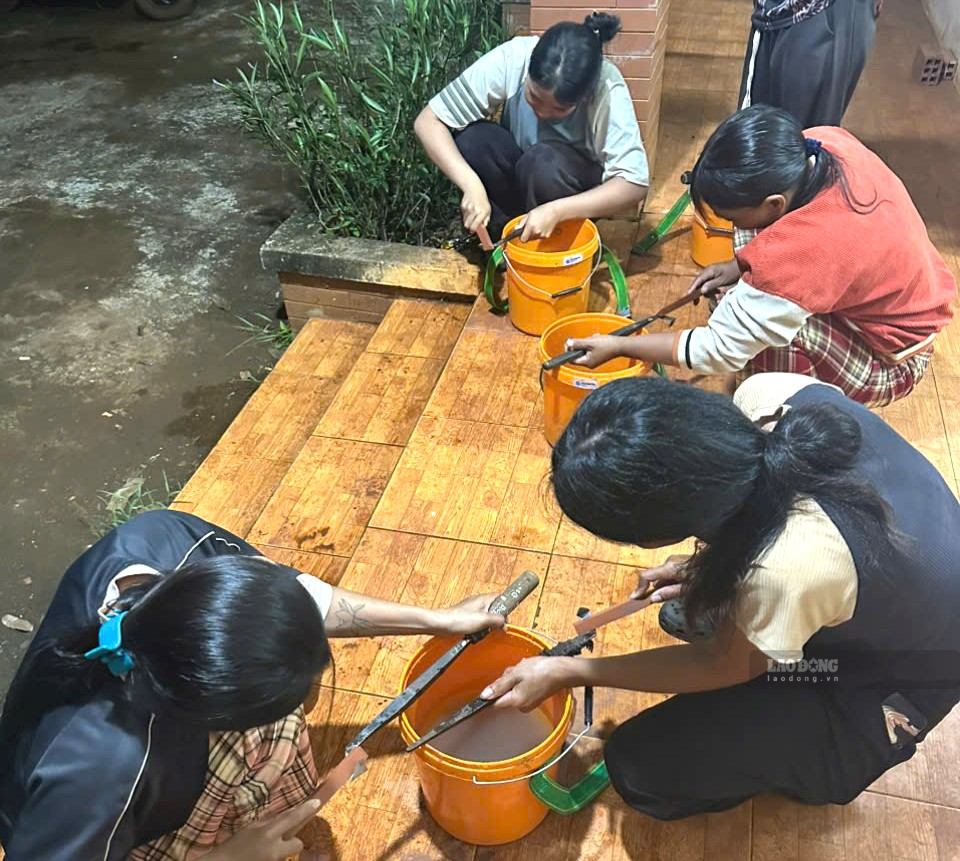
However, many ethnic minority workers have realized the positive aspects of vocational training, which is creating jobs, increasing income for themselves and contributing to hunger eradication and poverty reduction. The knowledge learned is applied by workers to the practical production life at home and in localities, opening up new paths towards a better future.
According to a survey by the Duc Co Vocational Education - Continuing Education Center, after vocational training, labor groups were formed such as the group of Mr. Ro Mah An, Ro Lan Dung, Siu Lu... establishing production groups in the locality, installing and repairing electricity for some households in the commune. The group of Mr. Ro Mah Cham, Kpuih Mol, Kpuih Bem... went to work as skilled construction workers, receiving small construction projects in the area.
Some female students have skills in growing straw mushrooms, growing clean vegetables effectively, helping unions, commune authorities, and the Fatherland Front have planning orientations for cooperative economic models, opening farms, OCOP products, and linking value production chains...
Party committees and authorities need to support workers after training
Implementing vocational training tasks under the National Target Program for Sustainable Poverty Reduction, the quality and qualifications of workers in ethnic minority areas in Duc Co commune have changed and transformed in a positive direction.
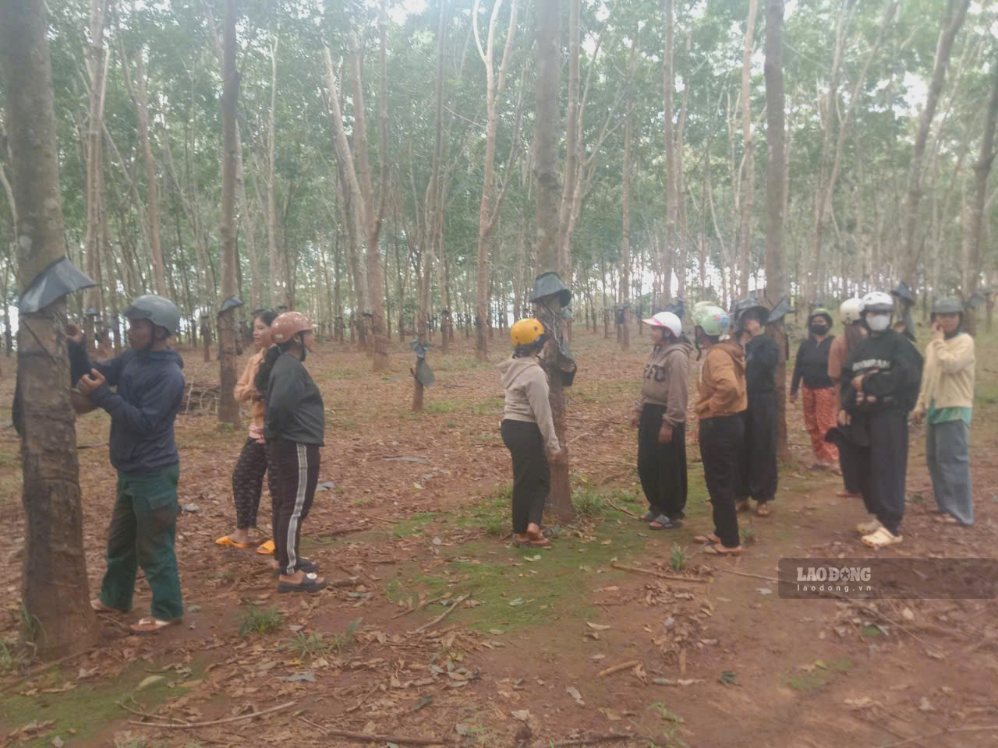
Ms. Bui Thi Anh Tuyet - teacher at Duc Co Vocational Education - Continuing Education Center - said: "Compared to many years ago, the change in awareness, understanding, and approach to science and technology of people has been greatly improved. Recently, the Culture - Society Department of Duc Co commune, the center and Binh Duong Company came to vocational classes to survey and find rubber tapping workers.
Welfare regimes and agricultural production jobs at the company's farms near villages help Duc Co people have the opportunity to have stable incomes.
However, the most important thing after vocational training is that local Party committees and authorities need to have positive plans and support, creating conditions for workers. These can be policy capital sources, connecting product consumption markets, introducing jobs as well as attracting businesses to invest in industrial clusters and border gate economic zones in the area...
In which, focusing on linking the three parties: farmers - businesses - authorities to improve production according to the value chain, increase the value of agricultural products, and serve exports to the world market.
Party committees and local authorities pay attention to supporting and providing seedlings and quality fertilizers for trainees, replicating safe production models, competing in good skills and high productivity... to increase income for trainees and workers after being trained in vocational skills.
It can be said that vocational training classes at community activity houses create the first solid step for ethnic minority workers to gradually change their circumstances, push back difficulties and shortages to promote labor capacity and fertile land potential in the commune.
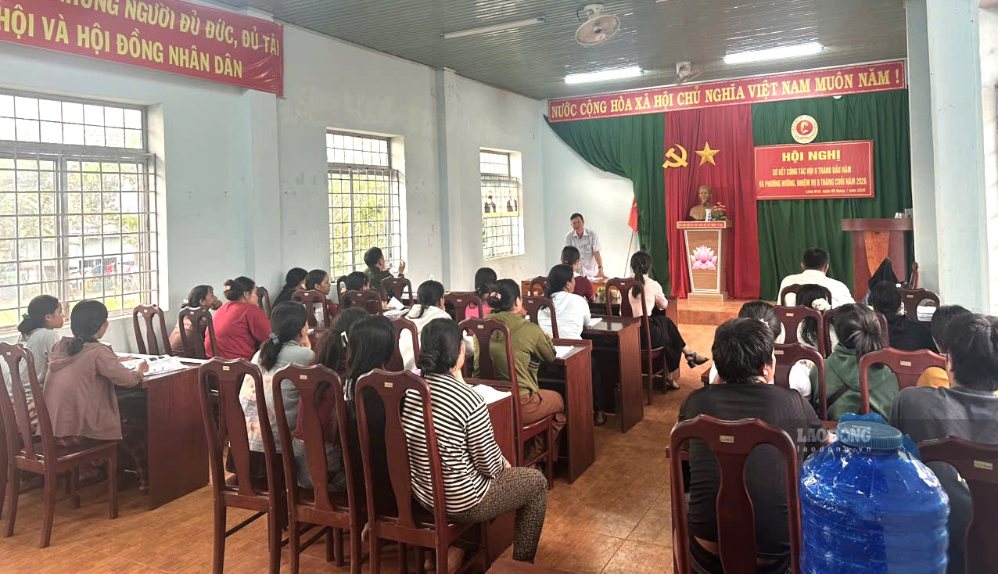
Directive No. 37-CT/TW of the Secretariat on innovating vocational training for rural workers affirms that vocational training resources for rural workers are basically maintained through national target programs. After vocational training, the number of workers with jobs, labor productivity, and people's income increase.
In the new development stage of the country, Party committees, Party organizations, and authorities, especially heads, must regularly lead, direct, strengthen inspection and supervision, and attach importance to the quality and effectiveness of vocational training for rural workers.
Vocational training associated with preserving and promoting cultural space and regional tourism potential; organizing vocational training associated with models of farmers producing and doing good business, towards economic restructuring and large-scale production.
At the same time, promote vocational training associated with advanced and modern production, suitable for green agriculture, organic agriculture, and high-tech agriculture, to promote regional and local advantages.
Especially in Gia Lai, the second largest province in the country, is a key agricultural region with key export crops bringing in billion-dollar revenue such as: rubber, durian, coffee, cashew, banana...
See the original here