
Lai Chau Provincial People's Council consolidates 1 Vice Chairman, supplements members of the Provincial People's Committee
Lai Chau - The Provincial People's Council has just additionally elected Vice Chairman of the Provincial People's Council and Member of the Provincial People's Committee.
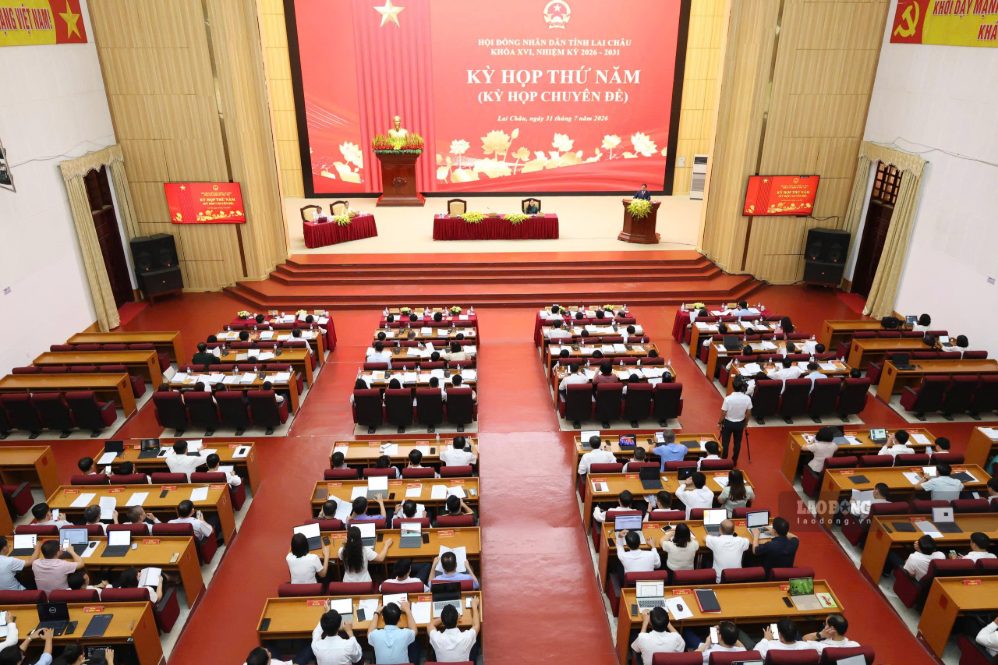
On July 31, Lai Chau Provincial People's Council, 16th term, 2026-2031, opened the fifth session (specialized session), considering and deciding on many important contents on personnel work and mechanisms and policies serving socio-economic development of the locality.
The meeting was chaired by Mr. Le Minh Ngan - Member of the Party Central Committee, Secretary of the Provincial Party Committee, Chairman of the Provincial People's Council and Ms. Tan Thi Que - Standing Vice Chairman of the Provincial People's Council.
One of the key contents of the session is to consolidate personnel for positions under the authority of the Provincial People's Council.
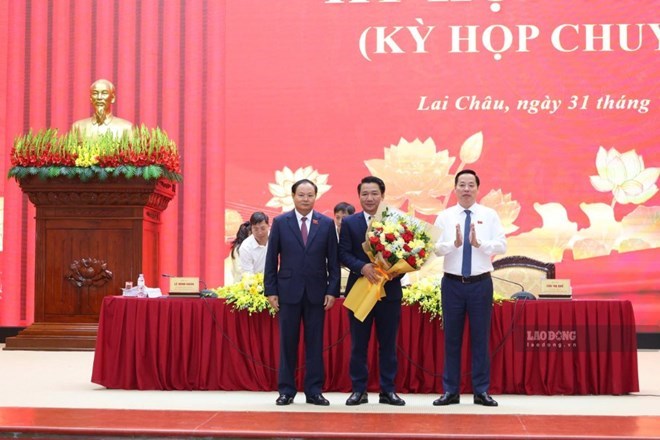
As a result, the Provincial People's Council elected Mr. Ly Cong Hau - Provincial Party Committee Member, Secretary of the Party Committee of Bum To commune, Chairman of the People's Council of Bum To commune, delegate of the Provincial People's Council - to hold the position of Vice Chairman of the Lai Chau Provincial People's Council of the XVI term, term 2026-2031.
The delegates also additionally elected Mr. Hoang Minh Hai - Chief of Office of the Provincial People's Committee - to hold the position of Member of the Provincial People's Committee for the 2026-2031 term. Both personnel were elected with a 100% vote rate.
In addition to personnel work, the Provincial People's Council is considering many important draft resolutions related to socio-economic development in the 2026-2030 period.
These include resolutions on principles, criteria and norms for allocating state budget capital to implement national target programs; medium-term public investment plans.
Policy on converting forest use purposes to other purposes; spending on training and fostering cadres, civil servants, and public employees; policies to attract, treat and develop human resources in the province.
The session also considered the abolition and adjustment of a number of inappropriate resolutions, including regulations on tuition fees, service fees in public educational institutions, semi-boarding student support, list of public career services and a number of regulations on decentralization and delegation of powers as required by the new legal system.
After the opening session, delegates divided into groups to discuss and give opinions on draft resolutions before the Provincial People's Council considers and decides according to the working program of the session.
Read the original here