

Abolishing the death penalty for illegal drug trafficking and 5 other crimes
The Penal Code (amended) just passed by the National Assembly abolished the death penalty for the crime of Illegally trading in narcotics and the crime of Raping a person under 16 years old.
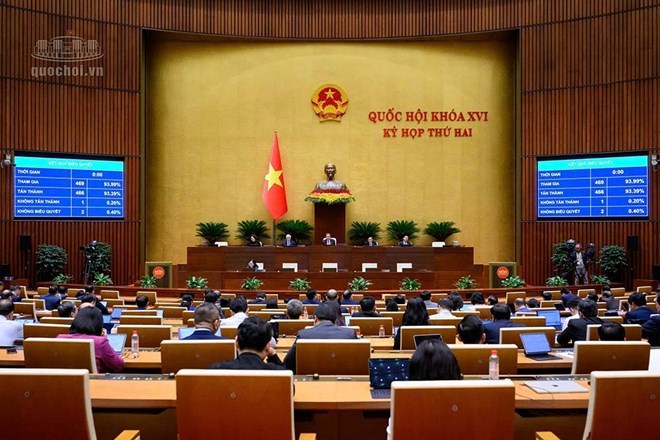
On the afternoon of November 20, continuing the 2nd Session, with the majority of delegates participating in the vote in favor, the National Assembly passed the Penal Code (amended). The Code consists of 417 articles, effective from March 1, 2027.
Regarding the regulations on penalties, the new law narrows the scope of application of the death penalty for 6 crimes, only keeping the death penalty for 4 crimes including: treason against the Fatherland; murder; terrorism; illegal production of narcotics.
The remaining 6 crimes with the death penalty removed include: Riot crime (Article 95); Illegal drug trafficking crime (Article 237), Rape of a person under 16 years old (Article 124); Crime against humanity (Article 410), War crimes (Article 411) and Terrorism against the People's Government due to encroachment on Terrorism (Article 288).
Previously, when discussing the draft revised Penal Code, many delegates were concerned about the proposal to abolish the death penalty for the crimes of illegal drug trafficking and rape of people under 16 years old.
In the report explaining, receiving, and revising the draft law, the Government clearly stated the basis for proposing to abolish the death penalty for the crime of illegally trading in narcotics.
In which, according to the Government, there is currently no convincing basis to show that the death penalty has a higher effect on preventing drug crime than life imprisonment.
The report stated clearly that for types of crimes that operate secretly for very large profits, offenders often believe that the act will not be detected without considering the difference between these 2 penalties before committing the crime.
Therefore, what is more deterrent is to improve the capacity to investigate, detect, and handle quickly and promptly, eradicate the root of the lines, arrest the right masterminds and ringleaders, and strip all economic benefits derived from crime.
The Government also believes that the abolition of the death penalty for the crime of illegally trading in narcotics and maintaining the death penalty for the crime of illegally producing narcotics is, on the one hand, consistent with the practical application of law, and on the other hand, differentiating the nature, level of danger, and subjective aspects of the offender between these 2 crimes.
The reality of struggle shows that in many cases, criminals have not fully understood the law, are dragged, seduced, and even deceived and forced. These subjects can still be reformed, educated and make merit to atone for their crimes, so applying the death penalty to them is not really appropriate.
Regarding the proposal to abolish the death penalty for the crime of raping a person under 16 years old, the Government affirmed that this is a particularly serious crime, which needs to be strictly handled.
However, considering the correlation with other crimes that still have the death penalty, especially the crime of Murder, the drafting agency found that the severity of the consequences caused and the penalty level between these two types of crimes are different, so if the death penalty is still maintained for the crime of Raping a person under 16 years old, it is not relevant.
According to the Government's report, in reality, if the act of raping a person under 16 years old is the direct cause of the victim's death, it may be sentenced to death for the crime of Murder if there are sufficient elements to constitute it.
Read the original here