
Workplace safety culture is an important factor
Building a labor safety culture is being implemented to bring a healthy working environment for both workers and businesses.
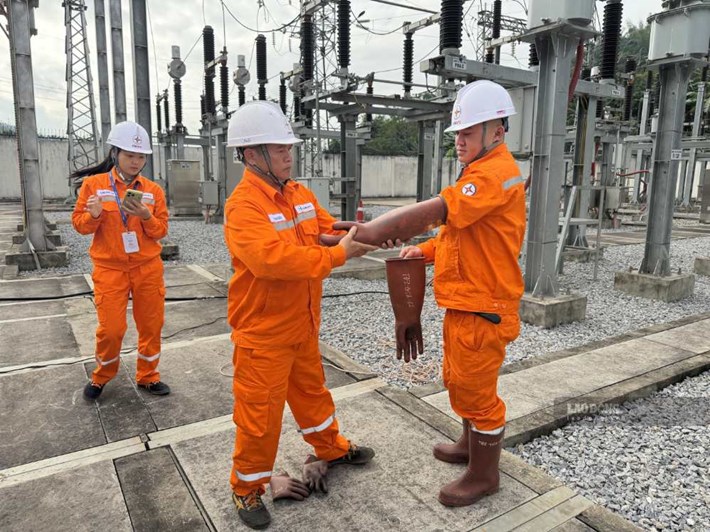
When asked about the biggest safety risks in the electricity industry, electricity industry workers identified three main groups of risks including: Electricity risks, the impact of weather conditions and subjective factors of workers. Among them, subjective factors, lack of recognition and full assessment of risks can lead to serious consequences.
Therefore, for workers, labor safety culture is very important. We have recorded the opinions of some workers of Cao Bang Power Company.
Mr. Duong Van Bang - worker managing the operation of power lines and transformer stations: Safety is an inevitable value and must be put first in all production activities. First of all, each worker must care and be responsible for their own safety. When each individual has the awareness to protect themselves, they can care for and protect colleagues and contribute to ensuring safety for the community and society.
I have encountered work situations with great pressure on progress, especially when the unit has to overcome widespread power incidents at night in stormy weather conditions, still at risk of thunder and lightning. These are situations that require workers to both urgently overcome incidents and strictly control unsafe risks.
In such cases, I and my colleagues always find ways to implement additional measures to ensure safety at the workplace, and at the same time find appropriate solutions to overcome incidents. There is no reason to trade safety for production progress. To complete the task, first of all, it is necessary to ensure safety for the performer.
I highly appreciate the activities of taking care of workers' health, especially in the hot season, when the Trade Union and the unit organize the distribution of drinking water and cooling products to support workers working in the field. Besides, I still want to always receive the attention of management levels, unit leaders and the Trade Union organization.
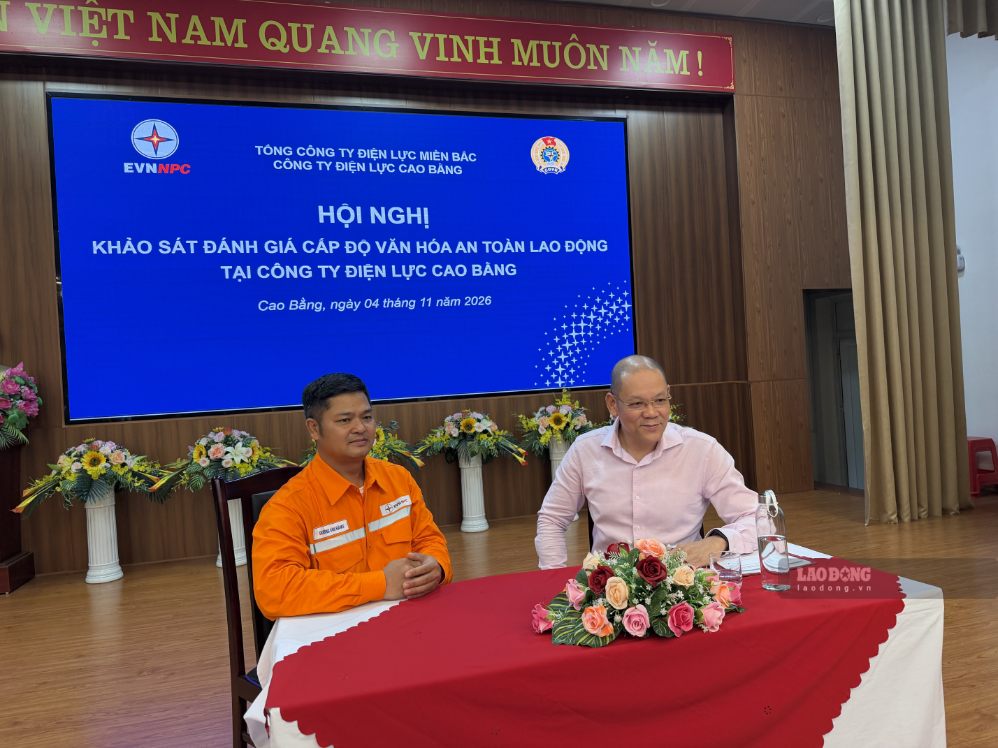
Mr. Hua Trung Kien - safety officer in charge of Bang Giang Electricity (under Cao Bang Electricity Company): My unit has achieved positive results in forming and maintaining safe working habits for workers. Regulations and guidelines of the Company and Northern Power Corporation are implemented relatively synchronously at the unit.
Specifically, before going to the scene, workers must complete the procedures for registering for a working session on the software, prepare tools, equipment and necessary supplies. In the safety briefings at the beginning of the hour, the working group must clearly identify the content of work, necessary means and potential risks in the process of implementation.
From reality, the most necessary change is to improve the ability to identify dangers and the proactive awareness of risk prevention of workers. In particular, each member of the working group needs to be able to identify risks at the scene themselves, and at the same time proactively remind and contribute opinions when detecting colleagues performing unsafe work.
However, one of the current limitations is that sometimes workers still have a mentality of respecting each other. When detecting colleagues' mistakes, some people are hesitant to remind or are not really determined to prevent them. This can prevent unsafe behaviors from being detected and handled in time.
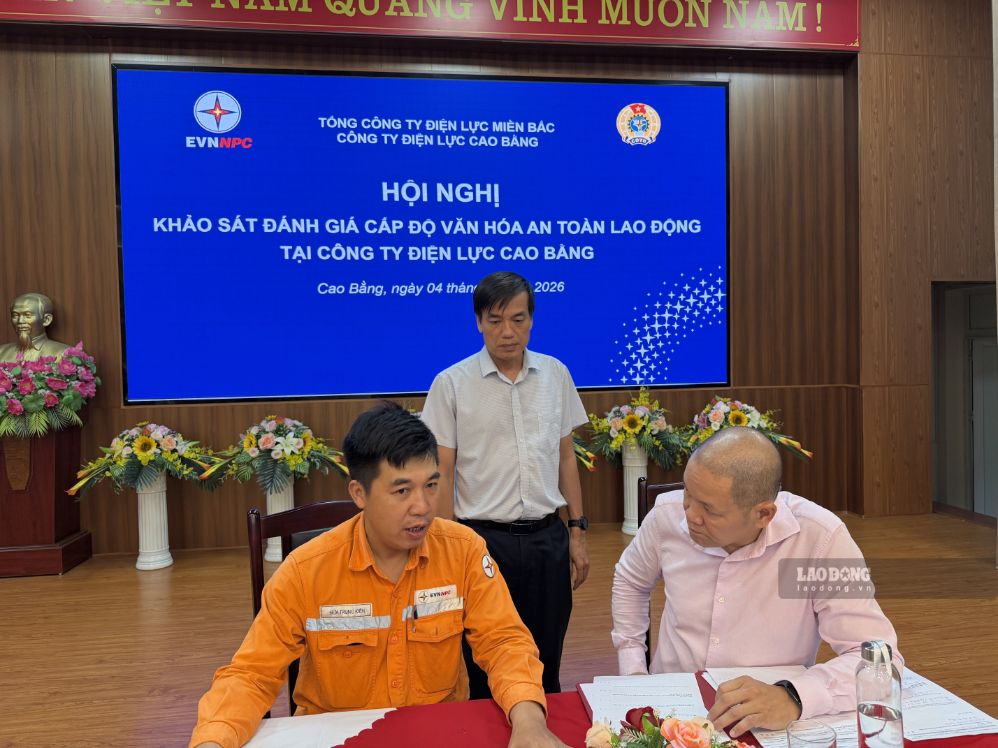
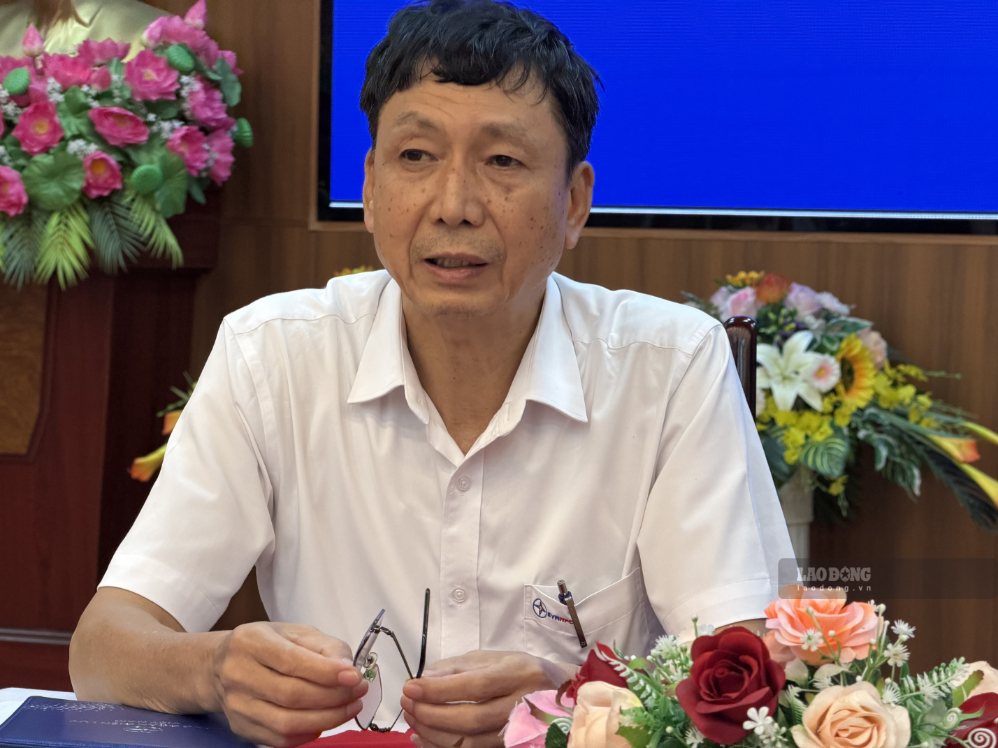
Mr. Do Vinh Cuong - Chairman of the Trade Union of Cao Bang Power Company: Regarding the goal of building a safe culture, I hope that in the short and long term, all officials and employees of Cao Bang Power Company will not have labor accidents and occupational diseases.
In fact, current safety management is heavily based on procedures, regulations, legal documents and additional requirements drawn from lessons learned from accidents. These requirements play an important role, especially in the electricity industry, where technical standards, safety distance and protection equipment requirements must be strictly followed.
However, in some cases, the application of regulations is still rigid, not fully considering the actual conditions and specific characteristics of the job. This sometimes makes it difficult for workers to proactively choose a suitable implementation plan, even if that plan can ensure safety and efficiency.
I think it is necessary to strengthen practical work skills training for workers. Currently, some operations such as tying bolts, connecting wires or tying ropes to lift heavy objects are still performed by workers mainly based on personal experience and habits.
This leads to uneven operational quality between workers. Experienced or skillful people often perform better, while others may not achieve similar results.
Therefore, in addition to educating the awareness of complying with safety regulations, it is necessary to standardize work implementation methods, guide operations clearly, easy to understand and easy to apply. Procedures need to ensure full technical requirements but must also be presented in a way that workers can remember and implement effectively.
See the original here